Switching to an organic, non-toxic lifestyle doesn’t have to break the bank! While organic foods and natural products can sometimes come with a higher price tag, there are plenty of ways to stick to your budget while making healthier choices. With a little planning, smart shopping habits, and knowing where to find the best deals, you can enjoy an organic, toxin-free lifestyle without overspending.
In this post, we’ll dive into practical tips for grocery shopping on a budget while prioritizing organic, non-toxic foods. From knowing which items to buy organic to shopping smart and making the most of your food budget, you’ll find that healthy eating doesn’t have to be expensive.
Why Choose Organic and Non-Toxic?
Organic foods are grown without synthetic pesticides, herbicides, or GMOs, while non-toxic products (from cleaning supplies to personal care items) are free from harmful chemicals like parabens, phthalates, and synthetic fragrances. Choosing organic and non-toxic options helps reduce your exposure to harmful substances, supports sustainable farming practices, and often means your food is fresher and more nutrient-dense.
However, it’s no secret that organic items can sometimes be more expensive than their conventional counterparts. But with some simple strategies, you can stick to your non-toxic values while still keeping your grocery bill in check.
1. Prioritize the Dirty Dozen and Clean Fifteen
One of the best ways to shop organic on a budget is by knowing which foods to prioritize. The Environmental Working Group (EWG) releases an annual list called the Dirty Dozen and Clean Fifteen, which ranks fruits and vegetables based on pesticide residue. The Dirty Dozen includes produce with the highest pesticide levels, while the Clean Fifteen includes those with the least pesticide contamination.
Prioritize Organic for the Dirty Dozen:
When shopping on a budget, focus on buying these 12 fruits and vegetables organic, as they tend to have the highest levels of pesticide residues:
Strawberries
Spinach
Kale, collard, and mustard greens
Peaches
Pears
Nectarines
Apples
Grapes
Bell peppers and hot peppers
Cherries
Blueberries
Green beans
Save on the Clean Fifteen:
You can save money by buying conventional versions of these 15 fruits and vegetables, as they tend to have minimal pesticide residues:
Avocados
Sweet corn
Pineapple
Onions
Papaya
Sweet peas (frozen)
Asparagus
Honeydew melon
Kiwi
Cabbage
Mushrooms
Cantaloupe
Mangoes
Watermelon
Sweet potatoes
Pro Tip: Keep the EWG’s Dirty Dozen and Clean Fifteen lists handy when you shop. This allows you to choose which items are worth buying and where you can save by opting for conventional options.
2. Buy in Bulk for Pantry Staples
Organic pantry staples like grains, nuts, seeds, and dried beans can sometimes be pricey in small packages, but buying in bulk is a budget-friendly way to stock up on healthy essentials. Many stores offer bulk bins where you can get exactly how much you need, often at lower prices than pre-packaged items.
What to Buy in Bulk:
Organic rice, quinoa, oats, and other whole grains
Dried beans and lentils
Organic nuts and seeds (like almonds, sunflower seeds, chia seeds)
Dried fruits (look for unsweetened, sulfite-free options)
Organic flours like almond flour, coconut flour, or whole wheat flour
By buying in bulk, you’ll save money and reduce packaging waste at the same time. Just be sure to store your bulk items in airtight containers to keep them fresh for longer.
3. Shop Seasonal and Local
One of the easiest ways to save on produce is by buying what’s in season. Seasonal fruits and vegetables are typically fresher, more affordable, and often more nutrient-dense than out-of-season produce. You can often find great deals on organic seasonal produce at farmers’ markets, local co-ops, and community-supported agriculture (CSA) programs.
Benefits of Seasonal Shopping:
Better prices: When produce is in season, there’s an abundance, which drives prices down.
Support local farmers: Shopping at farmers’ markets or through a CSA allows you to support local organic growers directly.
Better quality: Seasonal produce is often fresher and tastes better because it’s harvested at peak ripeness.
Pro Tip: If you have space, try growing your own herbs, tomatoes, or lettuce. A small backyard garden or even a few pots on a windowsill can save you money and give you access to fresh, organic produce year-round.
4. Embrace Frozen Organic Foods
Frozen fruits and vegetables are a great way to stretch your food budget while sticking to organic options. Frozen produce is often picked at its peak ripeness and frozen immediately, preserving nutrients without the use of preservatives or additives.
Why Choose Frozen:
More affordable: Frozen organic fruits and veggies are often cheaper than fresh.
Less waste: You can use exactly what you need without worrying about spoilage, which reduces food waste.
Year-round availability: Frozen produce is available year-round, so you can enjoy your favorites even when they’re out of season.
Best Frozen Organic Foods to Buy:
Berries (blueberries, raspberries, strawberries)
Organic spinach and kale
Peas, corn, and green beans
Frozen organic broccoli, cauliflower, or mixed vegetable blends
5. Meal Planning to Avoid Waste
Planning your meals ahead of time is one of the most effective ways to stick to your budget and avoid waste. When you have a plan, you’re less likely to buy unnecessary items or let food go bad. Plus, meal planning allows you to buy in bulk and batch cook, saving you both time and money.
Tips for Budget-Friendly Meal Planning:
Plan meals around sales: Check your local grocery store for weekly deals and plan meals around what’s on sale.
Make a shopping list: Stick to your list to avoid impulse purchases that can add up.
Batch cook and freeze: Make larger portions of meals and freeze leftovers to use later, reducing the need for takeout or last-minute grocery runs.
6. Shop at Discount Stores and Look for Sales
Not all organic groceries need to come from expensive health food stores. Many discount stores offer affordable products. Major grocery chains also often have their own line of organic products that are much more budget-friendly.
Best Stores for Affordable Organic Groceries:
Costco: Offers bulk-sized organic items, including produce, grains, snacks, and more, at discounted prices.
Walmart: Carries a growing selection of affordable organic products under its Great Value Organic brand.
Whole Foods: While known for being pricier, Whole Foods frequently offers sales and discounts on organic items. Keep an eye on their 365 Everyday Value line for more affordable options.
Pro Tip: Use apps like Ibotta or Honey to find discounts and rebates at your favorite stores.
7. Make Your Own Non-Toxic Products
Another way to save money is by making your own non-toxic products at home. Many non-toxic household and personal care items are simple to make using ingredients you probably already have in your pantry. By DIY-ing your own cleaning products, skincare, or even snacks, you can avoid the high price tags that sometimes come with pre-made organic products.
DIY Ideas:
All-Purpose Cleaner: Mix equal parts water and vinegar with a few drops of essential oils for a non-toxic, all-purpose cleaner.
Homemade Granola: Make your own granola with oats, honey, and nuts bought in bulk.
DIY Toothpaste: Combine baking soda, coconut oil, and peppermint essential oil for a simple, natural toothpaste.
Living an organic, non-toxic lifestyle doesn’t mean you have to spend a fortune. By prioritizing organic foods where it counts, shopping in bulk, choosing seasonal produce, and planning your meals, you can make healthy, sustainable choices without stretching your budget. Plus, with so many discount stores offering organic options, it’s easier than ever to find affordable, toxin-free products.
With a little planning and creativity, you can nourish your family with organic, non-toxic foods and products while keeping costs low.
If you’re on a mission to embrace sovereign living—whether that means growing your own food, cutting down on toxins, or living more independently—there’s no better way to keep yourself inspired than with a good podcast. Whether you’re out in the garden, whipping up a wholesome meal, or taking a well-deserved break, these podcasts offer a perfect mix of fun, wisdom, and practical tips, along with a mix of current topics in politics, and pop-culture. Ready to plug in? Let’s dive into a few of my all-favourite podcasts that bring the world of self-sufficiency to life!
1. Culture Apothecary with Alex Clark
Culture Apothecary is where culture, politics, and wit meet. Hosted by Alex Clark, this podcast gives you sharp, sassy commentary on the latest happenings in pop culture and beyond. If you enjoy dissecting society’s quirks and trends with a bit of humor, this podcast will have you nodding along (and probably laughing) while you stay informed on the big cultural convos.
2. The Holistic Herbalism Podcast
Ever wanted to feel like an herbalist pro? The Holistic Herbalism Podcast with Katja Swift and Ryn Midura is your ticket. They break down herbal medicine in a way that’s super approachable, whether you’re an herbal newbie or a seasoned green thumb. From seasonal health tips to DIY remedies, this podcast will have you feeling like a plant-powered wellness warrior in no time.
3. The Plant Path
The Plant Path is where herbalism meets soul, hosted by the brilliant Sajah Popham. It’s not just about learning which herbs help with digestion (though that’s definitely part of it!). Sajah goes deep into the spiritual and energetic sides of plant medicine. Whether you’re sipping tea in the garden or taking notes on herbal healing, The Plant Path will open your eyes to the deeper wisdom of nature.
4. Food Freedom and Fertility Podcast
Foodies and fertility fans, unite! Food Freedom and Fertility dives into how what you eat can boost your health and well-being, especially when it comes to hormone balance and fertility. Hosts Caitlin Johnson and Sophia Pavia make nutrition sound fun and empowering, helping you ditch the diet mentality and embrace a delicious path to wellness.
5. Simple Farmhouse Life
You love the idea of DIY, farm-fresh living, right? Well, Lisa Bass does it again with Simple Farmhouse Life, where she takes you beyond just baking bread and dives into the joy of homemaking, family life, and all things cozy. Whether you’re crafting or canning, Lisa’s warm, encouraging vibe will inspire you to create your own simple, beautiful home.
6. My Self Reliance Podcast
If off-grid living and self-reliance call to you, then My Self Reliance Podcast is your jam. Hosted by Shawn James, who built his own off-grid cabin in the Canadian wilderness, this podcast is all about rugged independence and resilience. Shawn’s personal journey and tips are perfect for those dreaming of living off the land and building a life with their own two hands.
7. The Comments Section with Brett Cooper
Looking for some culture with a side of sass? The Comments Section with Brett Cooper is here for you. Brett dishes out her take on the latest viral moments and media madness with humor and bold opinions. If you’re into commentary that’s equal parts fun and insightful, this podcast is your go-to for staying in the loop without taking it all too seriously. This one is usually for a giggle or to take things in this world a little more lightheartedly.
8. Huberman Lab
Huberman Lab is where science meets practical tips for leveling up your health and performance. Hosted by Dr. Andrew Huberman, this podcast dives into neuroscience-backed strategies to improve everything from sleep and stress management to exercise and nutrition. It’s like a self-improvement lab for your brain and body, minus the jargon! I personally am not huge into modern western medicine aside from in medical emergencies, but I love how Dr. Huberman discusses a subject in an easy to understand manner.
9. Gardening in Canada
Love gardening but live in a cold climate? Gardening in Canada is a total gem for anyone looking to grow food in the Great White North (or any other chilly spot). The host Ashley brings you expert tips on how to make your garden thrive despite the frost, and her relatable style makes it feel like chatting with a gardening buddy. Green thumbs, unite!
10. Candace
Candace Owens is unapologetically bold, and her podcast Candace delivers straight-shooting, no-nonsense commentary on politics, culture, and personal empowerment. If you’re craving fearless conversations that challenge mainstream narratives, Candace will get you thinking, laughing, and fired up about the issues that matter most. I love the way she speaks, even if I don’t always agree with her viewpoint on a subject I can appreciate her passion around the subject matter that she is discussing.
Podcasts are such a fun, easy way to stay inspired while you’re on the go or getting things done around the house. I like to listen while I work too! Whether you’re all about growing your own food, digging into natural health, or just want a little cultural commentary with your coffee, these podcasts will have you covered.
What are your go-to podcasts for living a sovereign, self-sufficient life? Share your favourites in the comments below!
If you’ve ever been curious about the world of herbalism, or perhaps you’re already on your journey to becoming an herbal expert, The Herbal Academyis one of the best places to dive deeper into this ancient and holistic practice. With a wide range of courses that cater to beginners and seasoned herbalists alike, The Herbal Academy offers a wealth of knowledge to help you harness the healing power of plants.
Whether you’re looking to create your own natural remedies, grow your herbal apothecary, or pursue a career in herbal medicine, The Herbal Academy provides the tools, education, and community to guide you every step of the way. Let’s explore what makes The Herbal Academy a trusted resource for herbal enthusiasts and dive into the incredible courses they offer.
What is The Herbal Academy?
Founded with the mission to educate and inspire people to connect with nature and take charge of their health through herbalism, The Herbal Academy has quickly become one of the most popular online schools for herbal education. The Academy’s philosophy is rooted in balance, sustainability, and respect for both plants and people.
Their curriculum is designed to be accessible, engaging, and grounded in both traditional herbal wisdom and modern science. The Herbal Academy is known for its comprehensive and beautifully presented courses, offering learners the flexibility to study herbalism from the comfort of their home at their own pace.
Courses Offered by The Herbal Academy
The Herbal Academy offers a wide variety of courses tailored to different levels of experience and interest. Whether you’re a complete novice looking to dabble in herbalism or an experienced herbalist seeking to deepen your knowledge, there’s a course for you.
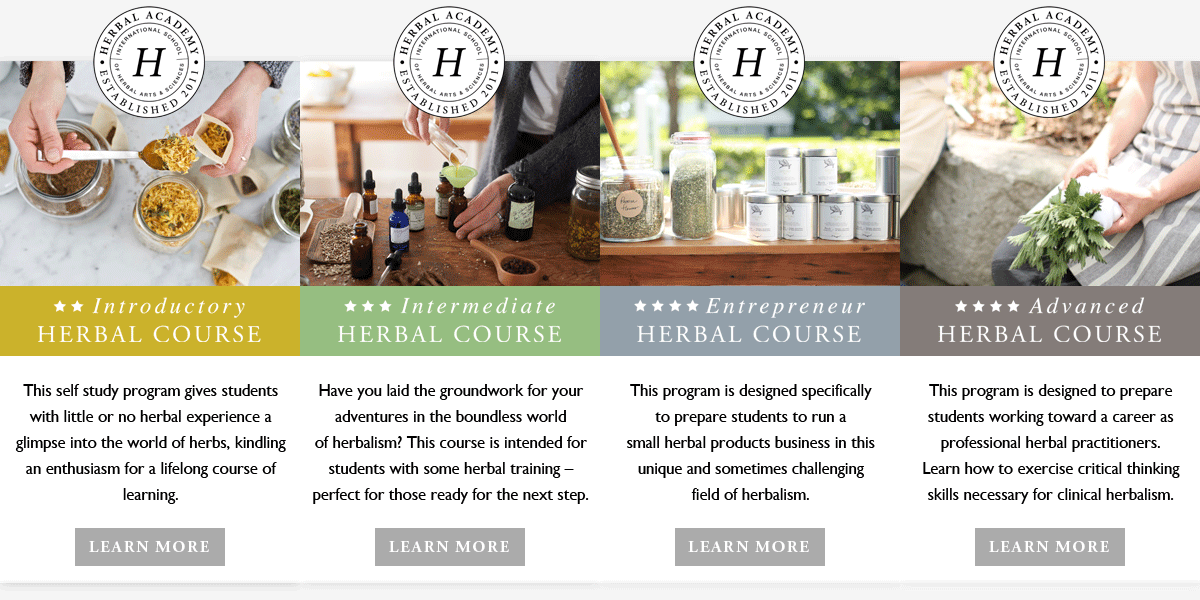
If you’re brand new to herbalism, The Introductory Herbal Course is the perfect starting point. This beginner-friendly course introduces the foundational principles of herbalism and helps you become familiar with herbs, their uses, and how to incorporate them into your everyday life.
What You’ll Learn:
The basics of herbal medicine and the history of herbalism
How to use common kitchen herbs and spices for health
Simple herbal preparations like teas, infusions, and tinctures
Practical tips on building your own herbal apothecary
Why It’s Great for Beginners:
The course is designed to give you confidence as you step into the world of herbalism. The lessons are easy to follow and full of practical applications, so you can start experimenting with herbs right away.
Ready to take your herbal studies to the next level? The Intermediate Herbal Course builds upon the foundation laid by the introductory course, offering more in-depth lessons on herbal actions, safety, and how to use herbs to address specific health conditions.
What You’ll Learn:
Detailed information on herbal actions (how herbs affect the body)
How to create herbal protocols for common ailments like colds, digestive issues, and skin conditions
Intermediate-level herbal preparations, including syrups, poultices, and salves
The ethical sourcing and harvesting of herbs
Who This Course is For:
This course is ideal for those who have a basic understanding of herbalism and want to expand their knowledge and skills. It’s perfect if you’re interested in using herbs more effectively in your home, or even sharing your herbal creations with family and friends.
For those looking to delve even deeper into the science and practice of herbalism, the Advanced Herbal Course offers a rigorous and comprehensive education. This course is designed for those who want to practice herbalism professionally or in a clinical setting.
What You’ll Learn:
Advanced topics in herbal pharmacology and phytochemistry
How to develop individualized herbal protocols for chronic conditions
The integration of herbalism with conventional medicine
Herbal case studies and clinical practice insights
Who This Course is For:
This course is for serious herbalists looking to take their skills to a professional level. If you’re considering becoming a clinical herbalist or building an herbal business, the Advanced Herbal Course will provide the depth of knowledge and expertise you need.
Are you passionate about herbalism and want to turn that passion into a business? The Entrepreneur Herbal Course is designed to help herbalists start and grow their own herbal businesses. Whether you want to launch an herbal product line, open a clinical practice, or start an online herbal shop, this course provides practical business guidance.
What You’ll Learn:
How to create a solid business plan and define your niche
Legal considerations for herbal businesses
Product development, branding, and marketing strategies
Best practices for running an ethical and sustainable herbal business
Who Should Take This Course?:
This course is perfect for herbalists who dream of turning their love of plants into a career. You’ll gain the confidence and knowledge to navigate the world of business, from product creation to marketing your brand.
If you’re into natural skincare and want to learn how to make your own beauty products, the Botanical Skin Care Course is a fun and creative way to dive into the world of DIY skincare. This course focuses on using herbs to create nourishing, natural products for your skin.
What You’ll Learn:
The anatomy of the skin and how herbs support skin health
How to make herbal-infused oils, lotions, masks, scrubs, and more
Recipes for natural skincare products for all skin types
Ethical sourcing and sustainability in skincare
Perfect For:
This course is ideal for anyone interested in creating their own all-natural skincare products, whether for personal use or as a business. It’s a wonderful blend of beauty, herbalism, and sustainability.
Want to connect more with nature and learn to source your herbs directly from the wild? The Foraging Course teaches you how to safely and sustainably gather wild plants for food and medicine.
What You’ll Learn:
How to identify wild, edible, and medicinal plants
Ethical and sustainable foraging practices
Seasonal foraging tips for various regions
Ways to prepare and preserve foraged plants
Who Should Take This Course?:
This course is ideal for anyone who loves being outdoors and wants to deepen their connection with nature. Foraging brings a new level of self-sufficiency and empowerment to your herbal practice.
Why Choose The Herbal Academy?
I did a pretty deep dive on deciding which herbalism course to take when I was comparing my options. Some of the things that swayed my decision were the following:
Comprehensive Curriculum: The Herbal Academy covers everything from the basics to advanced topics, making it a one-stop shop for herbal education as I wanted to ensure everything I was learning was from one source especially when starting out.
Beautiful Presentation: The courses are visually stunning, well-organized, and easy to follow, with gorgeous photography and detailed illustrations.
Flexible Learning: The courses are self-paced, so you can learn at your own speed, whenever it suits your schedule.
Community and Support: The Herbal Academy has a thriving community of herbalists, where you can ask questions, share your progress, and get support from fellow students and instructors.
Start Your Herbal Journey Today
Whether you’re looking to add herbal knowledge to your daily life or are seeking a deeper understanding of plant medicine, The Herbal Academy offers an incredible range of courses to help you on your journey. Their courses provide a solid foundation in herbalism, while also offering more advanced and specialized topics as you grow in your practice.
If you’re ready to explore the healing power of plants, connect with nature, and empower yourself with natural remedies, head over to The Herbal Academy and see how their courses can transform your life. There’s no better time to dive into the world of herbalism!
This blog contains affiliate links, which means I may earn a small commission if you make a purchase through these links. This comes at no additional cost to you and helps support the ongoing content creation on this site. I only recommend products and services that I personally use and believe in. Thank you for your support!
When it comes to being prepared for unexpected situations, having a well-stocked prepper pantry can make all the difference. Whether it’s a natural disaster, a power outage, or just ensuring you have enough supplies during uncertain times, a good pantry can provide peace of mind. Let’s chat about the essential items for your prepper pantry, so you can be ready for anything!
Why a Prepper Pantry?
Before we dive into the essentials, let’s talk about why a prepper pantry is so important. The concept is simple: it’s about having a supply of food and other necessities that can sustain you and your family for a period of time. Think of it as your safety net. Not only does it help during emergencies, but it also means fewer trips to the store and less stress about running out of essentials.
Food Essentials
Canned Goods
Vegetables and Fruits: These are packed with nutrients and have a long shelf life. Look for low-sodium options and variety to keep your meals interesting.
Protein Sources: Think canned beans, lentils, and meats like chicken, tuna, and salmon. They’re versatile and essential for maintaining your energy levels.
Soups and Stews: Great for quick meals that are hearty and comforting.
Dry Goods
Rice and Pasta: Staples that can be the base for many meals. White rice and whole wheat pasta are good choices for their long shelf life.
Flour and Baking Supplies: Flour, sugar, baking powder, and yeast are great to have for baking bread or treats.
Oats and Cereals: Perfect for breakfast and snacks. Opt for whole grain options for added nutrition.
Preserved Foods
Jerky and Dried Meats: High in protein and easy to store.
Dried Fruits and Nuts: Great for snacking and adding to meals. They’re also packed with vitamins and healthy fats.
Non-Food Essentials
Water and Beverages
Bottled Water: Aim for at least one gallon per person per day. Consider adding water purification tablets as well.
Coffee and Tea: Don’t forget your favorite morning brew! These can also be comforting during stressful times.
Cooking Essentials
Oils and Spices: Olive oil, coconut oil, salt, pepper, and your favorite spices can make a big difference in your meals.
Honey and Syrups: Natural sweeteners that also have a long shelf life.
Medical and Hygiene Supplies
First Aid Kit: Include bandages, antiseptics, pain relievers, and any personal medications.
Hygiene Products: Soap, toothpaste, sanitary items, and toilet paper are crucial for maintaining health.
Other Necessities
Batteries and Flashlights: Power outages are common during emergencies, so having a reliable light source is key.
Multi-tool: Handy for a variety of tasks, from opening cans to basic repairs.
Tips for Maintaining Your Pantry
Rotate Your Stock: Use the oldest items first and replace them with new purchases. This ensures nothing goes to waste.
Store Properly: Keep your pantry cool, dry, and dark to extend the shelf life of your items.
Plan Your Meals: Think about versatile ingredients that can be used in multiple recipes. This makes meal planning easier and more efficient.
Final Thoughts
Building and maintaining a prepper pantry doesn’t have to be overwhelming. Start small, add a few items each week, and before you know it, you’ll have a robust supply that will keep you and your family prepared for whatever comes your way. Remember, it’s all about peace of mind and being ready for anything life throws at you.
What are some of your essential items for your prepper pantry? Share your tips and experiences below – we’d love to hear from you! Head over to the post titled Prepper Pantry on a Budget to get even more great tips for your prepper pantry.
Imagine stepping into the great outdoors and finding a bounty of nutritious and delicious food right at your feet. Foraging for wild edibles is an age-old practice that not only connects us to nature but also provides a unique and healthy way to supplement our diets. Let’s dive into the exciting world of foraging and discover the wonders it has to offer.
The Joy of Foraging
Foraging is more than just a means to gather food—it’s an adventure that immerses you in the natural world. Whether you’re wandering through a forest, meadow, or even your backyard, the thrill of finding edible treasures is unmatched. Plus, it’s a fantastic way to spend time outdoors, getting exercise and fresh air.
Common Wild Edibles
Here are some commonly foraged wild edibles you might find:
Dandelions: These ubiquitous plants are edible from root to flower. The leaves can be used in salads, while the flowers can be made into wine.
Fiddleheads:
Wild Berries: Blackberries, raspberries, and blueberries are not only delicious but also packed with nutrients.
Nettles: Once cooked, these prickly plants lose their sting and can be used in soups, teas, and more.
Chickweed: A delicate green that’s perfect for salads or as a cooked green.
Mushrooms: Morels, chanterelles, and porcini are just a few of the many edible mushrooms you can find in the wild. Always be sure to properly identify mushrooms, as some can be toxic.
Benefits of Foraging
Foraging offers numerous benefits:
Nutritional Value: Wild edibles are often more nutrient-dense than their cultivated counterparts.
Sustainability: Foraging promotes sustainable living and reduces reliance on commercially grown produce.
Cost-Effective: Wild food is free for the taking, helping you save money on groceries.
Connection to Nature: Foraging fosters a deeper appreciation for the natural world and its cycles.
Foraging Tips
Proper Identification: Always ensure you correctly identify plants before consuming them. Using a field guide or app can help.
Harvest Responsibly: Only take what you need and leave enough for wildlife and future growth.
Respect the Environment: Tread lightly and avoid damaging plants or habitats.
Getting Started
Start small by learning about a few easily identifiable plants in your area. Join a local foraging group or take a guided tour to gain hands-on experience and knowledge from experts.
Foraging for wild edibles is a rewarding practice that brings you closer to nature and provides a plethora of health benefits. It’s an adventure that allows you to discover the hidden gems of the natural world, all while filling your pantry with nutritious and delicious foods. So, grab a basket and start exploring the wild—who knows what tasty treasures you’ll find!
Have you tried foraging before? Share your experiences and favorite wild edibles in the comments below!